
Assessment and Data Grounding
We audit your data sources, document types, and workflows. Retrieval indexes and knowledge bases are structured to ground model output and reduce hallucination from the start.
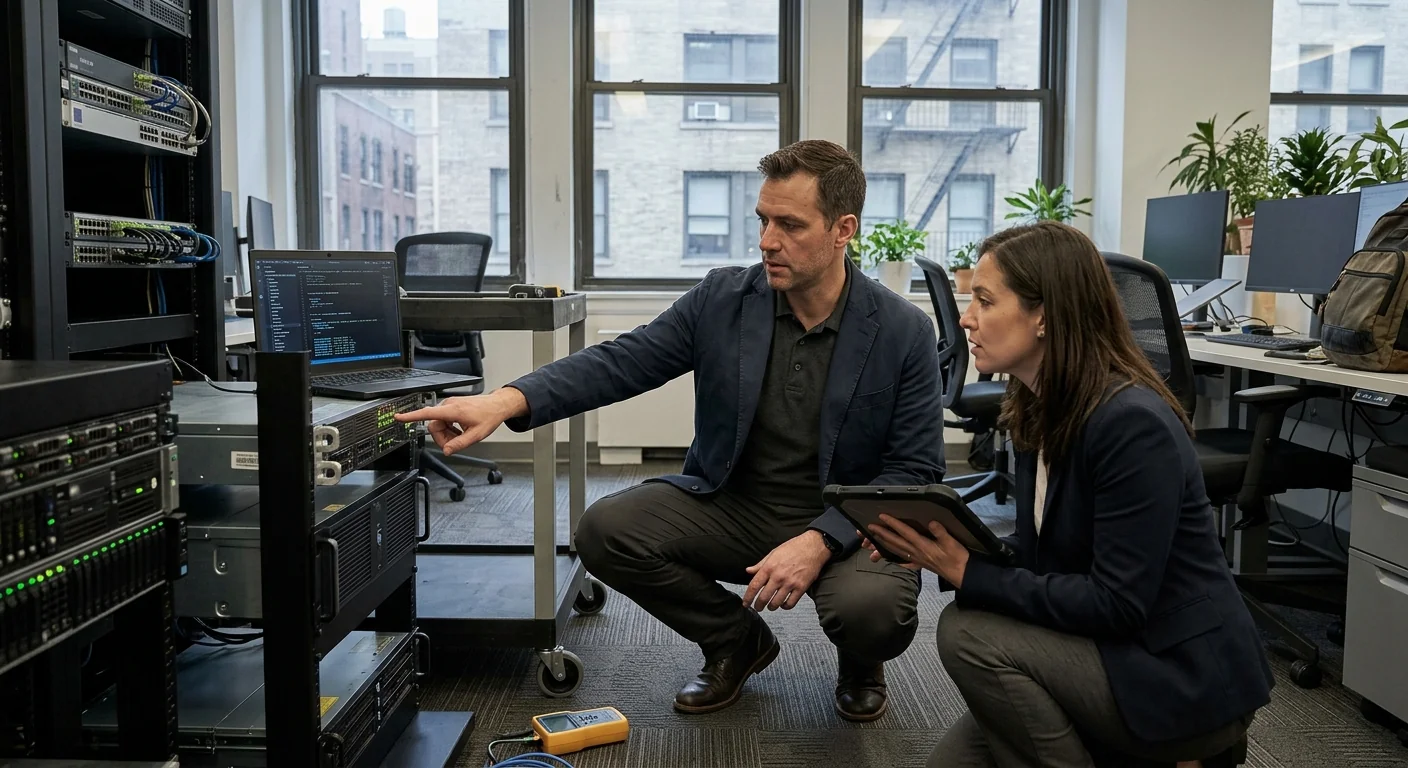
Generative AI Solutions build custom language models, content pipelines, and retrieval-augmented systems for New York businesses handling high document volume and constant customer messaging. Firms across Manhattan office towers and multi-unit commercial buildings use these systems to draft, summarize, and route work without adding headcount. We tune prompt architecture and fine-tuning layers so output stays accurate over time. New York AI Agency handles the build.
Our 2026 availability covers scoped pilots and full production deployments, with systems designed for sustained performance as your data grows.
Generative AI Solutions Overview
Generative AI Solutions is the process of building and deploying models that produce text, code, and structured output from your data, and at New York AI Agency it includes prompt engineering, fine-tuning, and retrieval-augmented generation across New York properties. We start by auditing existing workflows, then map data sources into a vector store for accurate retrieval. Model selection follows, matching open-weight or hosted foundation models to each use case. Residential management firms, commercial offices, and multi-unit operators all run these systems for drafting, summarization, and support. Each deployment includes guardrails and evaluation testing to hold output quality steady.
Durability drives the build. We version prompts, monitor drift, and schedule preventative retraining so models keep consistent performance as inputs change. Our 2026 approach adds automated evaluation pipelines that catch degradation early, extending the operational lifespan of each system and protecting the reliability you depend on.
Discuss Your Project (646) 762-1388Generative AI Solutions pricing in New York depends primarily on model complexity, data volume, integration scope, and ongoing maintenance, with most 2026 projects scoped after a technical assessment. Fine-tuning custom models costs more than configuring hosted foundation models with retrieval-augmented generation. Integration depth matters too, since connecting to existing CRMs, databases, or ticketing systems adds engineering time. Data preparation is another factor. Cleaning, structuring, and building vector stores for accurate retrieval takes work upfront, and larger datasets increase that effort. Ongoing costs cover monitoring, prompt versioning, and preventative retraining that keeps output quality steady over time. Exact pricing requires a site assessment of your workflows and data. We review your systems, define scope, and provide a free written estimate before any work begins.
// Common Generative Ai Issues //

- Generative AI Solutions Process -
Our Generative AI Solutions process follows a three-step sequence built around data grounding, model tuning, and verified output. Each phase is documented so New York teams keep control of accuracy and long-term reliability.
We audit your data sources, document types, and workflows. Retrieval indexes and knowledge bases are structured to ground model output and reduce hallucination from the start.
We select and fine-tune language models, then connect them to your systems through validated pipelines. Prompts and guardrails are tested against real New York use cases through 2026.
Output accuracy is measured against defined benchmarks. We provide written documentation, a walkthrough, and monitoring setup so performance stays consistent as volume grows.
Trusted Generative AI Specialists
New York AI Agency builds Generative AI Solutions engineered for durability, not one-off demos that degrade within months. We ground models with retrieval-augmented generation, apply structured fine-tuning, and set guardrails that keep output accurate as data and request volume change. Every engagement includes written estimates, output validation benchmarks, and a post-deployment walkthrough. This keeps your system performing reliably long after launch.
Our 2026 workflows emphasize preventative care: scheduled model reviews, documented prompt versions, and drift monitoring that catches accuracy loss before it spreads. We document each pipeline so New York teams retain full control and can extend the system’s lifespan without rebuilding. The result is sustained performance, lower long-term maintenance, and infrastructure that holds its condition over time.
Get a Written Estimate

This FAQ covers common generative AI questions from New York clients in 2026, including scheduling, deliverables, preparation, cost factors, and local considerations.
Timeline depends on scope, data readiness, and how many workflows the model touches. A single-use case with prompt engineering and a fine-tuned base model moves faster than a multi-department retrieval-augmented generation system. We set milestones after a discovery call and provide a written project schedule before build starts.
Each project includes model selection, prompt engineering, integration with your existing systems, and testing against real inputs. We also document the pipeline, set up guardrails to reduce hallucination, and hand off usage guidelines. Ongoing tuning or retraining can be added based on how your data changes over time.
Gather the documents, records, or knowledge sources the model will draw from and confirm who owns access to them. Clean, well-organized source data improves retrieval accuracy and reduces rework during the fine-tuning stage. For New York businesses handling regulated data, note any compliance constraints early so we structure the vector database and access controls correctly.
Cost varies by model type, integration complexity, data volume, and whether you need a hosted or on-premise deployment. A lightweight chatbot using an off-the-shelf large language model costs less than a custom fine-tuned system with continuous retraining. We provide a written estimate after reviewing your requirements, with no assumed pricing before scope is defined.
Yes, New York businesses often face data privacy rules and industry compliance requirements that shape how models store and process information. Sectors like finance, legal, and healthcare in New York may need stricter access controls, audit logging, and on-premise inference. In 2026 we build these constraints into the architecture from the start rather than retrofitting them later, which supports long-term reliability.
// Get Started //