Process Audit and Mapping
We document current workflows, identify manual bottlenecks, and flag high-error steps. This produces a written scope with measurable targets for each automated process.
Business Process Automation replaces manual, repetitive workflows with automated systems that run without constant oversight. New York firms managing high transaction volume, multi-department handoffs, and legacy software benefit most from workflow orchestration and system integration. Our 2026 engagements focus on durable automation that holds up under sustained load. New York AI Agency builds and maintains these systems end to end.
We map each process before automating anything. This keeps builds accurate.
Business Process Automation Overview
Business Process Automation is the practice of converting manual, rule-based tasks into automated workflows, and at New York AI Agency it includes process mapping, system integration, and workflow orchestration across New York properties and organizations. We start by documenting each step, identifying handoff points, then building automations around your existing tools using API connections and event triggers. Residential management offices, commercial operators, and multi-unit portfolios each get configurations matched to their data volume and approval structure. Our 2026 builds emphasize maintainable logic and clean documentation.
Durability drives every design decision. We build automations that tolerate schema changes, load spikes, and staff turnover without breaking, and we schedule preventative reviews to catch drift before it degrades performance. Proper structuring extends the operational lifespan of each workflow and reduces the rework that shortens most automation projects.
Discuss Your Workflow (646) 762-1388Business Process Automation pricing in New York depends primarily on process complexity, integration count, and data volume, with most 2026 projects scoped after a workflow assessment. The number of systems connected through API integrations affects build time directly. Approval logic, conditional branching, and exception handling add engineering hours. Legacy software without modern endpoints often requires extra work to connect reliably. Ongoing maintenance and monitoring also factor into total cost, since durable automations need periodic review to hold performance as your tools update. We keep pricing tied to defined scope, not open-ended hours. Exact figures require a site assessment of your current processes. New York AI Agency provides free written estimates after that assessment. This keeps cost predictable before any build begins.
// Common Automation Issues //
- Business Process Automation Process -
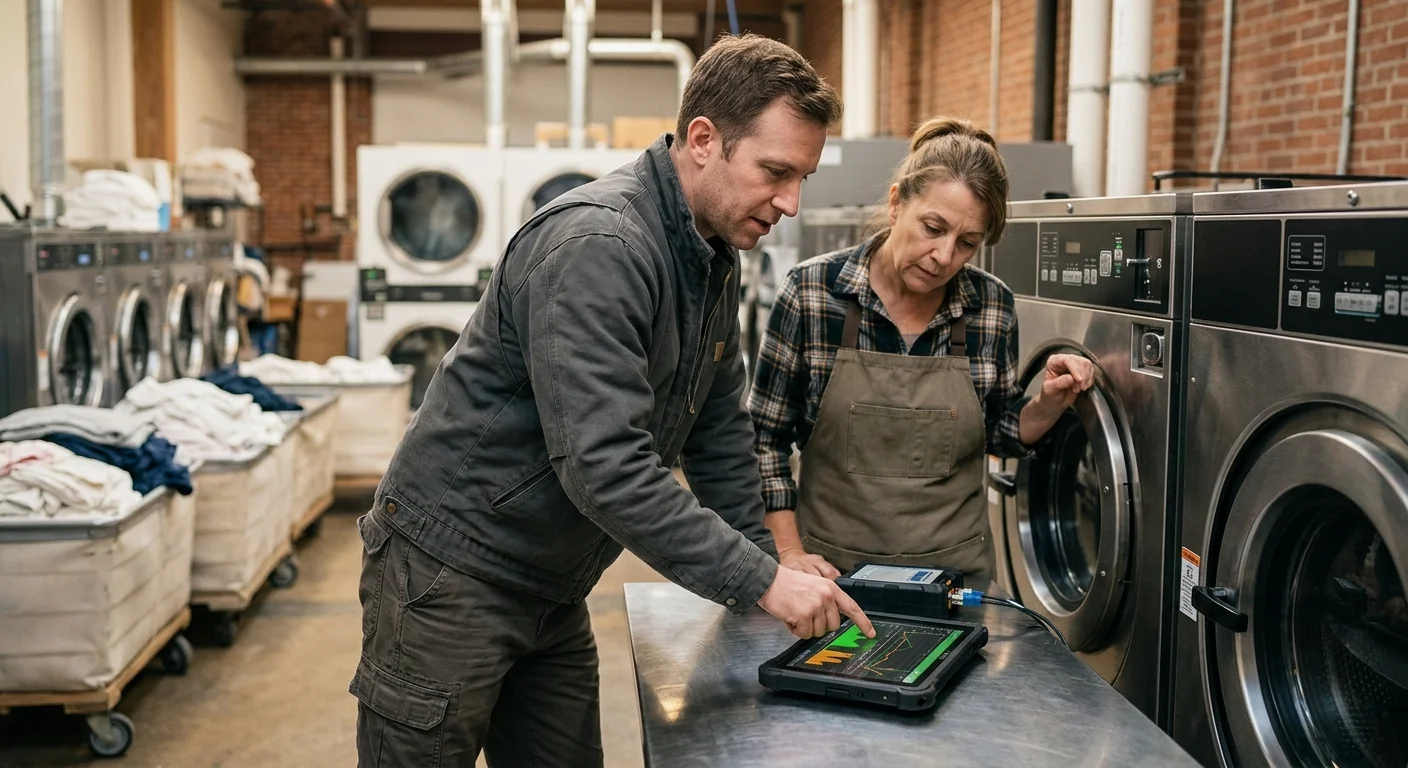
Our Business Process Automation process follows a four-step sequence built around workflow mapping, integration, testing, and documented handoff. We start by auditing existing processes across New York operations in 2026, then design automated workflows with API connectors and rule-based logic. Each build is tested against real data before deployment, with a written summary at completion.
We document current workflows, identify manual bottlenecks, and flag high-error steps. This produces a written scope with measurable targets for each automated process.
We construct workflows using API connectors, rule-based routing, and system integrations across your existing CRMs, billing, and reporting tools. Logic is built to handle edge cases and scale with volume.
Every workflow runs against live data before go-live. We verify accuracy, confirm error handling, and deliver a documented walkthrough so your team can operate and monitor the system with confidence.
Trusted Automation Specialists
New York AI Agency builds Business Process Automation designed to run reliably for years, not just pass a launch demo. We map each workflow before building, use durable API integrations, and include error-handling logic that keeps automations stable as transaction volume changes through 2026. Every project starts with a written estimate and defined scope. We deliver a post-build walkthrough and documentation so your team understands exactly how each workflow operates.
Our focus stays on long-term performance. Automations are structured to reduce maintenance load, prevent silent failures, and adapt as your systems change. We schedule follow-ups to review workflow accuracy and address drift before it affects operations. For New York businesses, that means automated processes that hold up under sustained use and keep delivering consistent results well past deployment.
Get a Written Estimate
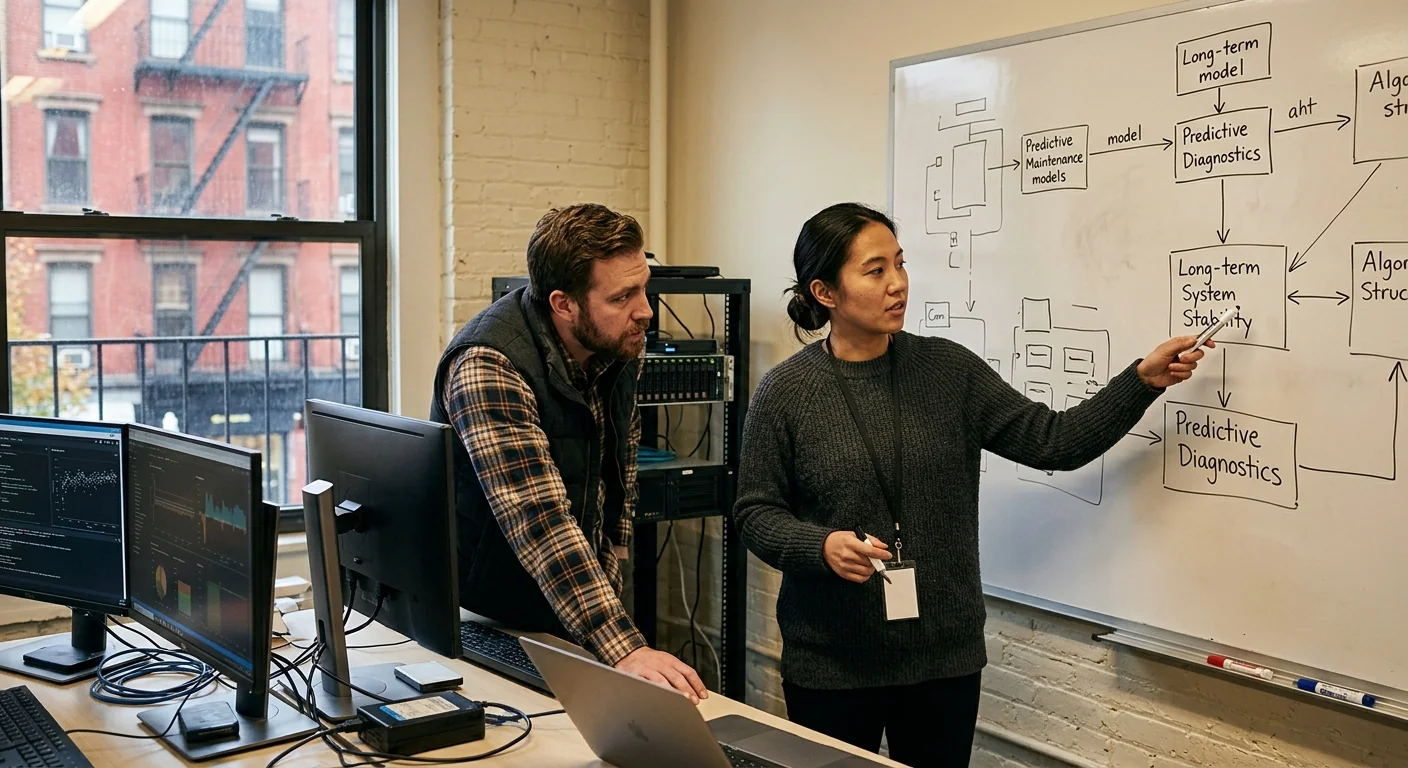
Answers to common Business Process Automation questions for New York businesses in 2026, covering scheduling, scope, preparation, cost factors, and local conditions.
Most Business Process Automation projects move from workflow mapping to deployment in a few weeks, depending on system complexity and integration points. Simple task automations finish faster than multi-department orchestration involving several data sources. We confirm the timeline in a written estimate after the initial process audit.
A standard engagement includes process discovery, workflow mapping, automation build, API integration, testing, and a post-deployment walkthrough. We document each automated workflow and configure error handling so failed steps trigger alerts instead of stalling silently. Ongoing maintenance can be added to keep automations stable as your systems change.
Prepare access credentials for the systems involved, documentation of current steps, and a point of contact who knows the process. Clear input on approval rules and exception handling helps us build accurate business logic during the mapping phase. The more detail you provide on edge cases, the fewer revisions the workflow needs later.
Pricing depends on the number of workflows, integration complexity, and whether custom API connectors are required. A single-department automation costs less than an end-to-end orchestration spanning CRM, billing, and reporting tools. We provide a written estimate after reviewing your current processes, so New York clients see scope and cost before any build begins.
New York businesses often operate under data handling and record-retention requirements that shape how automated workflows store and route information. In 2026 we design automations with audit logging and access controls so process records stay traceable for compliance reviews. This keeps your automated workflows reliable and reduces long-term rework as regulations shift.
// Free Business Process Automation Estimates //